Health & Medical Science
How One Honest Conversation With a Doctor Finally Quieted the “Food Noise” I’d Lived With for 30 Years
My “I’m done fighting my own body” story.

Hi. My name is Margaret. I’m 52, married 29 years, mom of two grown kids, and I’ve worked as a school nurse in central Indiana for almost twenty years.
Recently, after three decades of fighting with my body, something finally changed for me. And I want to share it with the women who’ve been where I was.
I remember being in my 20s and 30s when I used to:
- Have plenty of energy from morning to night
- Wear what I wanted without thinking twice about it
- Eat what I felt like and not gain a pound
- Stay in shape without ever stepping foot in a gym
- Feel comfortable in my own skin without trying
That was me. Until sometime in my early forties, when everything started to change.
After 40, Something Shifted That I Couldn’t Explain
It didn’t happen all at once. That’s the part that confused me for years.
It started with the food.
I’d eat breakfast and 45 minutes later I’d be thinking about lunch. Not casually. Not the normal “what should I have today” thought. A pull. A constant, low hum about food that ran underneath everything I was doing.
I’d eat lunch and start thinking about dinner during the drive home. I’d eat dinner and want a snack an hour later, even though I wasn’t actually hungry.
Some days I felt like I was fighting my own brain just to get through the afternoon.
The weight started showing up in places it never had before. My energy faded earlier in the day.
I’d go to bed by 9 p.m. some nights, sleep nine hours, and still drag through the next day. I started cancelling plans. I started avoiding photos. I started buying clothes a size up and telling myself I’d “deal with it later.”
And the most frustrating part? I couldn’t figure out what I was doing wrong.
The Tuesday I Realized How Tired I Was
It wasn’t the scale that finally got me. It was a Tuesday afternoon at work.
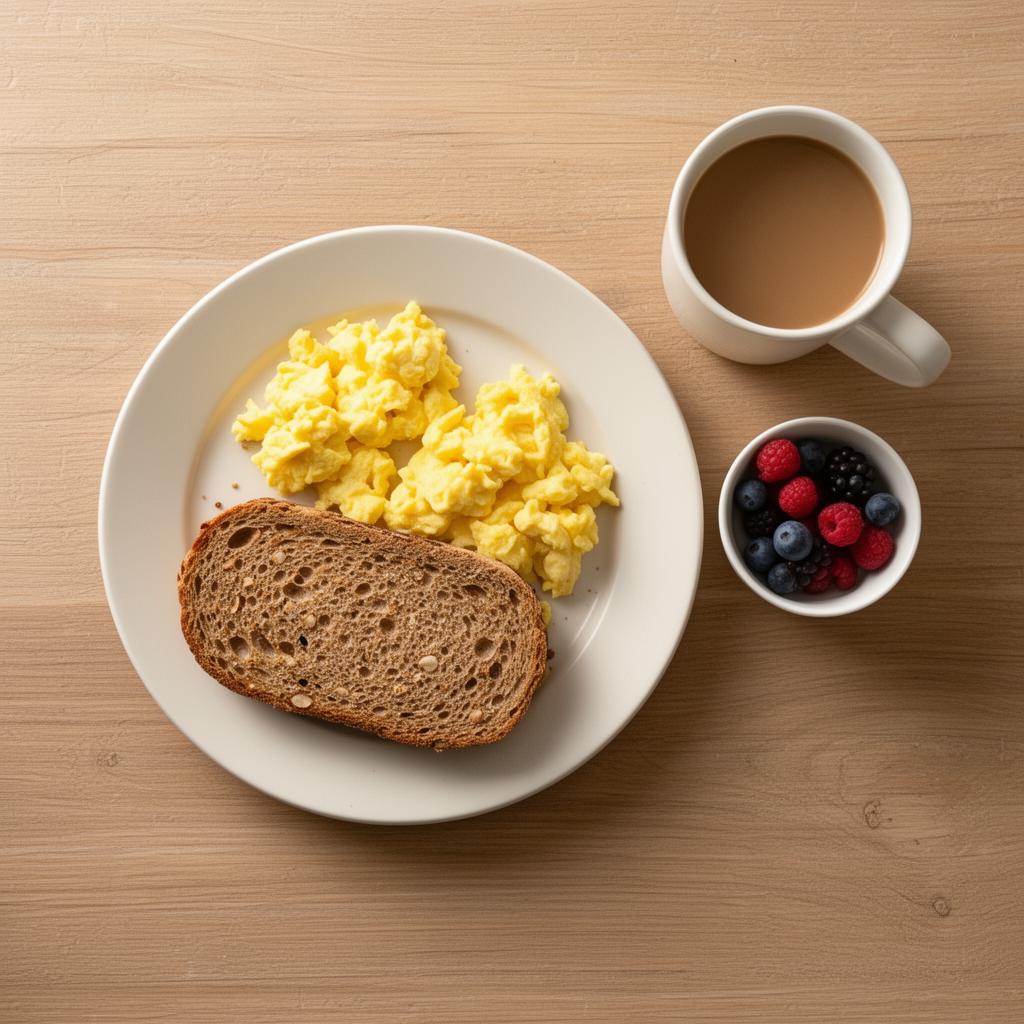
I was sitting in a staff meeting at the school. I’d had breakfast 90 minutes earlier. A normal breakfast — eggs, toast, coffee. And I couldn’t focus on what anyone was saying. Because the entire time, the only thing running in the back of my head was: what am I going to eat at lunch?
Not because I was hungry. I wasn’t. I’d just eaten.
I was sitting in a meeting about a student’s care plan, with a clipboard in my lap, and the loudest thing in my head was food.
That’s when it hit me. This had been happening for years. Not weeks. Not months. Years. I’d just gotten so used to it I’d stopped noticing.
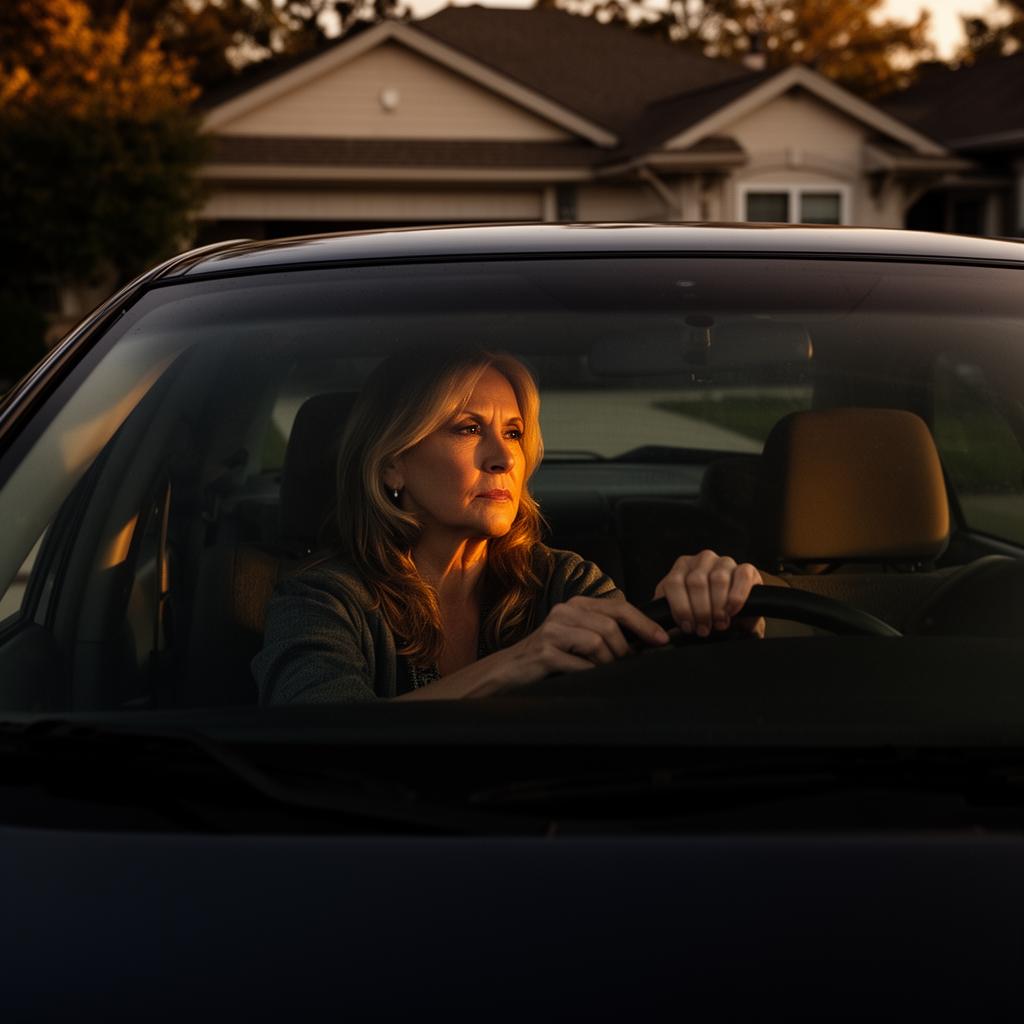
I drove home that night and sat in the driveway for ten minutes before going inside.
I thought to myself: I am so tired of fighting this.
I Was Determined To Figure It Out On My Own
I’m a school nurse. I’ve spent my whole career telling other people how to take care of themselves. I figured I could solve this.
So I tried. For years, I tried.
I did Weight Watchers twice — once in my early forties and again at 49. Lost weight both times. Gained it all back, plus more.
I did Noom. The little blue check-ins, the color-coded foods. Lasted four months.
I did Optavia. The shakes and bars. Lasted six weeks before I couldn’t look at another shake.
I tried keto. I tried intermittent fasting. I hired a trainer at the Y. I joined a gym closer to home when the Y didn’t work. I tried a 21-day cleanse with juice and lemon water. I tried tracking calories in three different apps.
Some of them worked. For a while. None of them lasted.
And the food noise — that constant pull I’d noticed at the staff meeting — never went away. No matter what I ate or didn’t eat, it stayed in the background. Always there. Always pulling.
After almost three years of trying everything, I started thinking: maybe something is actually wrong with me.
So I made an appointment.
What My New Doctor Told Me Changed Everything…
My regular doctor’s office didn’t have an opening for almost six weeks. My daughter — she’s 26 and a respiratory therapist — told me I could just do the appointment online with a board-certified doctor instead.
More and more women are doing it that way now.
I’d been skeptical at first. I’m a nurse. I enjoy in-person evaluations. But I was also tired of waiting six weeks for appointments to be told the same things I’d already heard.
I scheduled an evaluation with the team my daughter mentioned. A few of her friends’ moms had seen them. Their entire focus is on weight management for women over 40 so it sounded like a perfect fit. For the first time in years, I was hopeful.

The doctor I spoke with was board-certified, U.S.-licensed, and didn’t rush me. That alone was new.
About fifteen minutes into our call, after she’d reviewed my history and asked me a few specific questions, she said something that truly impressed me:
“Margaret, what you’re describing — that constant mental pull toward food, even when you’re not hungry — that has a name. We call it food noise. And about 6 in 10 women have it without knowing what it is.”
I sat there at my kitchen table, in front of my laptop, and just blinked at her.
She explained that food noise is a biological signal. There’s a specific hormone the body produces — one that tells the brain after a meal, “you’ve had enough.”
In a healthy signaling system, this hormone fires after eating, the brain gets the message, and the pull toward food quiets down. That’s how it’s supposed to work.
But for many women, especially after 40, that hormone starts running low.
When the signal runs low, the message never fully reaches the brain to quiet the food noise. So the pull stays. The cravings linger. And our bodies just want more and more food.
I had the willpower to change, but the reason the number on the scale kept climbing anyways — because this biological signal – food noise — was the problem.
She told me there’s been research on this for years, and that mainstream medicine had finally caught up around 2025. Board-certified doctors all over the country were now treating both food noise and the hormonal weight gain that comes with it.
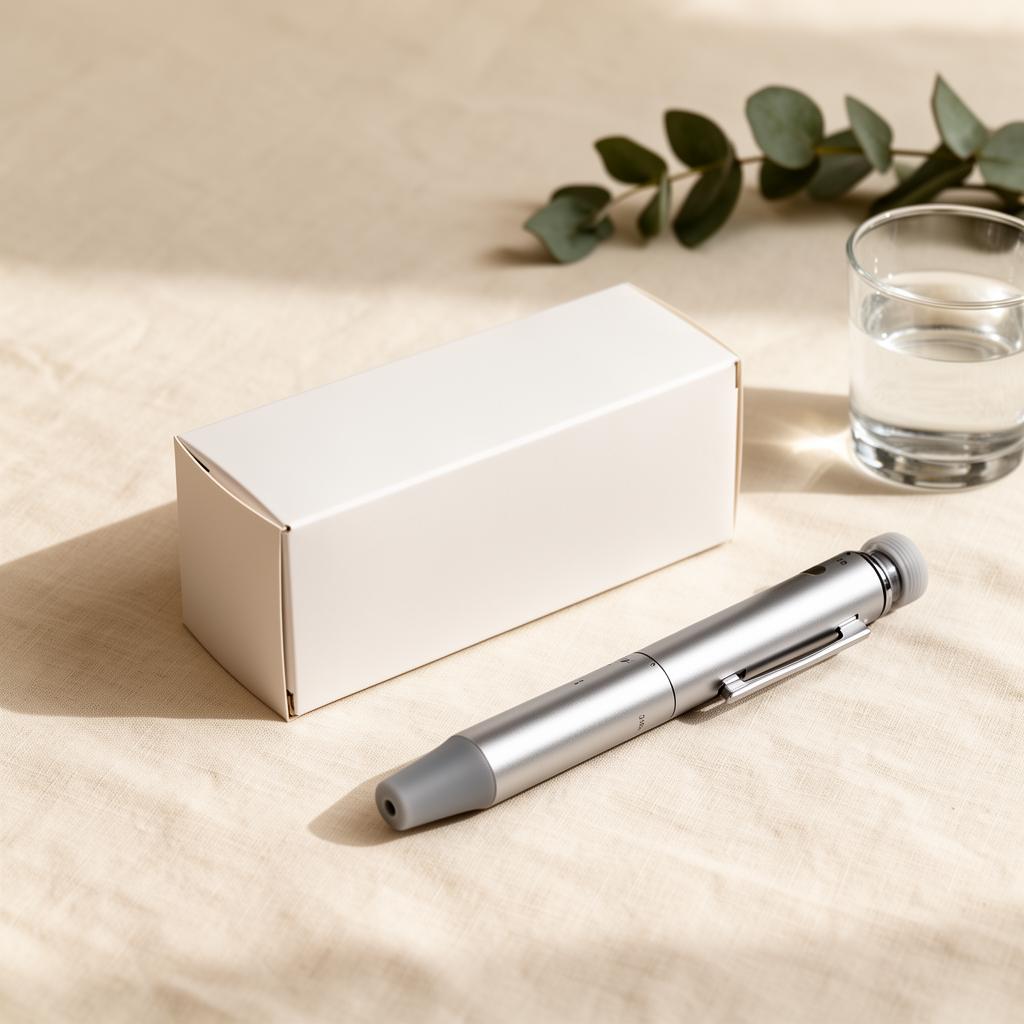
Then she explained the medical answer was a class of medications — GLP-1 medications — that work with the body’s natural hunger signal instead of against it.
And then she said the line that I keep thinking about, six months later:
It was never about the calories, Margaret. It was always about the signal.
Have you been living with ‘food noise’ too?
Could food noise be the missing piece for you, too?
A short overview walks through how women are restoring this hormone signal under board-certified medical care. See what the evaluation actually looks like.
See How It Works →What I Didn’t Expect… (And Why I’m So Grateful)
Before I tell you what happened next, you should know: my doctor was clear with me. Not everyone is a candidate. Results vary. There’s no guarantee with any medical treatment, and a board-certified physician has to evaluate every patient.
But I’m so grateful I ended up being a candidate.
The weight started shifting. The first week I lost 6 lbs, mostly water weight. Then slowly, week over week — a steady 1 lb here, 2 lbs there, in a way that felt sustainable for the first time. But that’s not actually the part I want to tell you about.
The part I want to tell you about is the quiet.
Sometime in the first week, I noticed I’d gone a whole afternoon at work without thinking about food.
I didn’t realize it until I was driving home. Twenty years of food being the loudest thing in my head, and one Tuesday afternoon I just... didn’t think about it.
I cried in the car.
By the second month, the constant background pull had eased almost completely. I’d eat a meal and feel done. Just done. Not white-knuckling against the urge to keep eating. Not negotiating with myself. Just satisfied.
By month three, my afternoon energy came back. I started taking my dog on walks again — real walks, not the five-minute ones I’d been forcing myself through. I was sleeping through the night without waking up at 3 a.m. with night sweats.
My husband noticed before I told him. He said “you seem like yourself again.”

I read other women’s reviews online while I was deciding whether to start. Looking at them now, six months in, they all said the same thing I’m trying to tell you:
“If you know what food noise is, you know how exhausting it is. Since starting with Refills, that constant urge to snack is just... gone. It's allowed me to focus on healthy habits without feeling like I'm constantly fighting my own brain.”
Kincade
“My cravings are manageable, my energy is up, and I'm finally sleeping better. More than anything, it's the peace of mind knowing there's a real team behind the product.”
David
That word — quiet — is the one that comes up over and over.
Six Months In, Here’s What’s Different
A few things I’ve noticed, in case it’s helpful for someone reading this who’s been where I was:
- My energy is steady through the afternoon for the first time in years
- I feel satisfied after meals without the pull to snack an hour later
- I’m sleeping through the night and waking up rested
- I’m eating my favorite foods — yes, including pizza on Friday with my husband
- My clothes fit again, and I’m not buying up a size every six months
- My husband and daughter have both said separately that I “seem like myself”
- The constant food noise is just... gone
I’m Glad I Listened to Whatever It Was Telling Me
I almost didn’t make that online appointment. I’d been told for so long that my weight was a willpower issue that I’d half-believed it myself.
I’d convinced myself that maybe trying harder one more time would work.
Something in me, that Tuesday in the driveway, said no.
Not no to trying. No to trying the same old ways again.
I’m a nurse. I should have known biology was the answer earlier than I did. But the standard advice had been the same my whole adult life, and I’d never had a doctor sit down and explain food noise to me until that telehealth call.
If you’re reading this and any part of it sounded familiar — the constant pull toward food even after eating, the years of failed diets, the feeling that your body has been working against you — it’s worth finding out if a GLP-1 treatment is right for you.
The evaluation is the place to start. A board-certified physician will tell you whether you’re a candidate. Not everyone is. Results vary. But you’ll at least know whether the food noise has a name.
For me, it did. And finally knowing changed everything.
What happens when the food noise finally quiets down
A short video walks through how GLP-1 treatment works under board-certified medical care. See why mainstream medicine now stands behind it, and what women in their forties, fifties, and sixties are actually experiencing.
Show Me How It Works →